What to Expect During a Roof Removal Project
People seeking roof removal typically want to safely and efficiently remove their old roof, and local contractors can handle the job professionally and with care.
Understanding what to expect during a roof removal project can help property owners feel more prepared for the process ahead. Whether planning for a roof replacement or addressing underlying structural issues, knowing the typical stages involved can reduce uncertainty and make coordinating with local contractors smoother. Property owners in the area often explore this topic to ensure they’re fully informed about the work involved, the potential disruptions, and the benefits of working with experienced service providers who specialize in roof removal.
Local contractors who handle roof removal services are equipped to guide property owners through each phase of the project, from initial preparation to final cleanup. They can help clarify what happens during the removal process, what to expect in terms of noise, debris, and safety considerations, and how the work integrates with subsequent roofing or repair steps. Keeping informed about these aspects can make the entire experience more manageable and ensure that property owners are confident in the professionals they choose to handle their roof removal needs.
- Full roof removal - needed when a roof has extensive damage or outdated materials, with local contractors carefully stripping away existing roofing layers to prepare for replacement.
- Partial roof removal - required for repairs or upgrades to specific sections, with service providers efficiently removing only the affected areas while protecting the rest of the structure.
- Roof tear-off - common during complete replacement projects, where local pros safely dismantle the entire roof to ensure a clean slate for new materials.
- Asphalt shingle removal - often necessary for shingle repairs or upgrades, with contractors systematically removing old shingles to facilitate proper installation of new roofing.
- Roof decking removal - needed when the underlying deck is compromised, with service providers carefully removing and replacing damaged decking to ensure a solid foundation.
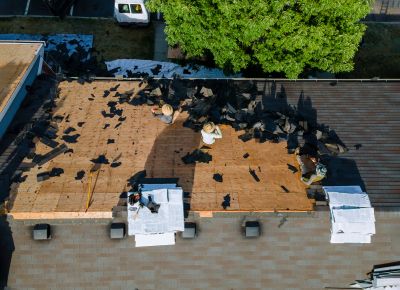
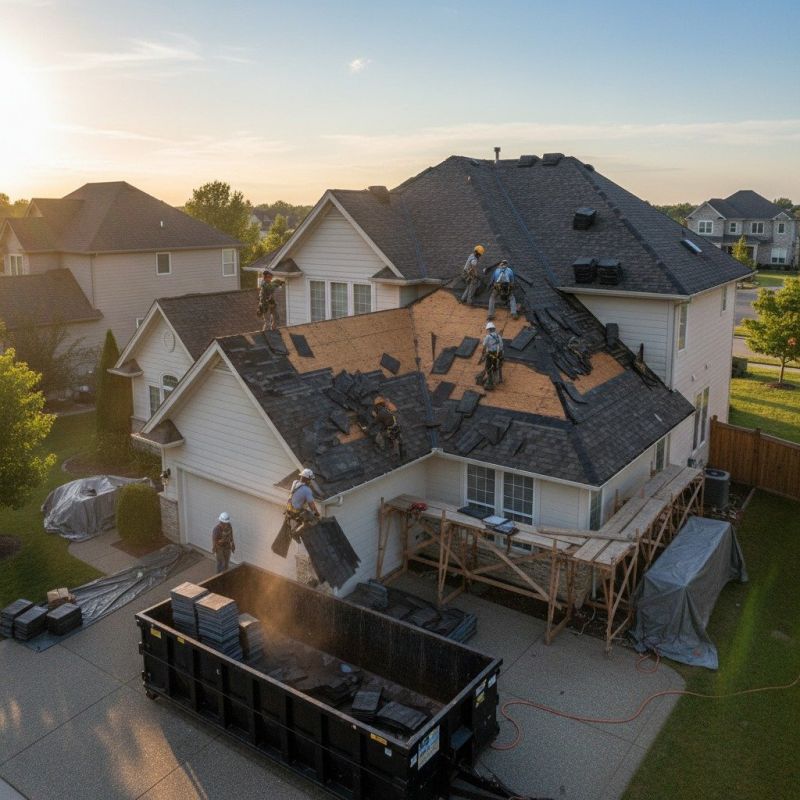
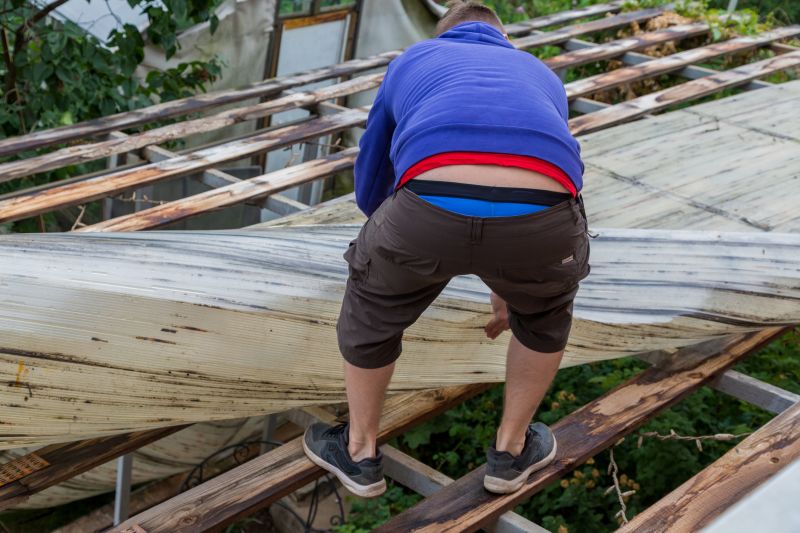
When homeowners search for information about what to expect during a roof removal project, they often want a clear understanding of the process involved in stripping away an old or damaged roof. This type of project typically arises when a roof has reached the end of its lifespan, has suffered extensive damage from weather or wear, or when a homeowner plans to replace an outdated or unsuitable roofing system. People are usually looking for insights into how the removal process unfolds, what steps are involved, and how long the work might take. Understanding these details helps homeowners prepare for the disruption and ensures they know what to anticipate when engaging with local contractors who specialize in roof removal.
Roof removal projects are often connected to larger home improvement or repair plans, such as upgrading to a more durable roofing material, addressing underlying structural issues, or preparing a property for a new roof installation. Problems that lead to roof removal commonly include leaks, mold growth, or sagging that indicates compromised support structures. Additionally, some property owners might be removing a roof to inspect or repair the underlying decking or framing before installing a new layer. These projects are relevant for various types of properties, including single-family homes, multi-family residences, and small commercial buildings, especially those with aging or damaged roofing systems that require careful removal to prevent further damage.
The types of properties that typically come up during discussions about roof removal are often residential homes with asphalt shingles, but can also include those with wood shakes, tile, or metal roofing. The complexity of the removal process can vary depending on the roofing material, the size of the property, and the existing roof’s construction. For example, removing a tile roof may require more careful handling and protective measures compared to asphalt shingles. Local service providers experienced in roof removal understand these variations and are equipped to handle different property types efficiently. They can advise homeowners on what to expect in terms of preparation, debris removal, and potential impacts on the property during the project.
Understanding what to expect during a roof removal project helps homeowners connect the dots between their property’s needs and the role of local contractors. These professionals are skilled at managing the entire removal process, from safely stripping away old roofing materials to preparing the surface for the new installation. Homeowners can expect a structured approach that minimizes disruption and ensures the job is done properly. By working with experienced local pros, property owners gain peace of mind knowing that the project will be handled efficiently and with attention to detail, making the transition to a new roof smoother and more predictable.
Deck Removal Services - Similar to roof removal, deck removal involves careful planning, material handling, and the use of specialized tools to safely dismantle structures without damaging surrounding property.
Chimney Demolition - This project requires precise removal techniques and planning to ensure structural stability, paralleling the skills needed during a roof removal process.
Siding Replacement - Siding replacement involves removal of exterior materials, requiring similar planning, safety measures, and tool use as roof removal projects.
Attic Insulation Removal - Removing old insulation often involves working in confined spaces and handling debris, akin to the debris management during roof removal.
Gutter Replacement - Gutter installation and removal demand careful handling of existing fixtures and precise planning, similar to the steps involved in roof removal.
Wall Demolition - Demolishing interior or exterior walls involves structural considerations and safety precautions comparable to those in roof removal services.
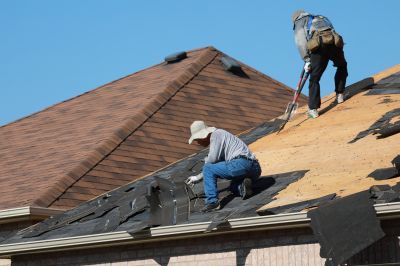
When evaluating local contractors for a roof removal project, it is important to consider their experience with similar types of work. Contractors who have handled roof removals comparable to the scope and style of the project can often anticipate potential challenges and manage the process more smoothly. Homeowners should inquire about the types of roofs they have worked on and seek service providers with a proven track record in executing projects similar to what is expected. This background can provide insight into the contractor’s familiarity with the specific demands of roof removal and help ensure a more predictable experience.
Clear, written expectations are essential when comparing local service providers for a roof removal. A reputable contractor will provide detailed information about the work process, including the steps involved, what materials will be used, and how debris removal and site cleanup will be handled. Having these details in writing helps homeowners understand what is included in the project and sets a foundation for transparent communication. It also minimizes misunderstandings and ensures that both parties are aligned on the scope of work, which can contribute to a smoother project execution.
Reputable references and strong communication practices are key factors to consider when choosing local contractors for roof removal services. Service providers who can supply references from past clients demonstrate transparency and confidence in their work. Additionally, contractors who maintain open lines of communication and are responsive to questions or concerns can help keep the project on track and reduce stress for homeowners. Prioritizing these qualities can lead to a more informed decision and foster a collaborative relationship throughout the roof removal process.
Property owners often search for what to expect during a roof removal project when they are planning practical projects around their homes and businesses. Local pros provide Roof Removal services for everyday jobs and straightforward project options.
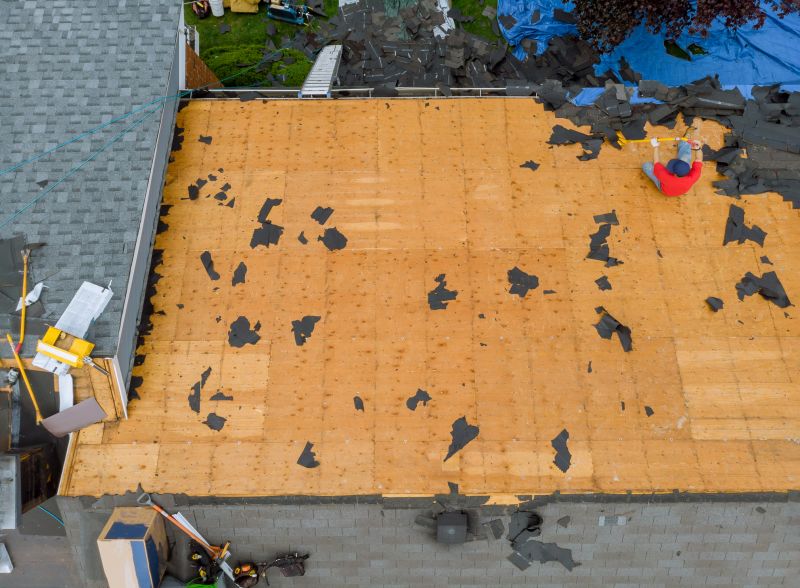
During a roof removal project, property owners can expect to encounter a variety of common situations that are part of the process. Typically, local contractors will set up a work area that includes tarps or protective coverings to keep debris contained and prevent damage to the property. It’s normal to see roofing materials being carefully taken off in sections, with the old roof being dismantled and removed from the site. Homeowners might notice the presence of dumpsters or trucks on the property, which are used to transport away the old roofing materials. Understanding these everyday aspects can help property owners feel more prepared for what to expect during the project.
Many property owners in the area turn to local service providers to handle roof removal because they want a straightforward, professional approach. During the job, it’s common for contractors to inspect the underlying roof structure to assess its condition before installing a new roof. They may also perform minor repairs if needed, which is a typical part of the removal process. Property owners often look up this topic to learn about the steps involved and to find experienced local contractors who can manage the job efficiently. Knowing what to expect during a roof removal project can make the experience smoother and help property owners make informed decisions about their roofing needs.
What should I expect during a roof removal project? During a roof removal, local contractors typically start by preparing the work area, protecting surrounding property, and safely removing the existing roofing materials. The process may involve debris cleanup and inspection of the underlying structure to ensure it’s suitable for a new roof.
Will there be a lot of noise and mess? Yes, roof removal can generate noise, dust, and debris. Local service providers usually take precautions to minimize disruption and keep the work site as tidy as possible throughout the project.
How long does roof removal usually take? The duration varies depending on the size and complexity of the roof. Local contractors can provide an estimate of what to expect during a roof removal project based on the specific property.
Is it necessary to remove the entire roof at once? Not always. In some cases, only damaged or outdated sections are removed, but complete removal is common when preparing for a new roof installation. Local pros can advise on the best approach for each situation.
What happens after the old roof is removed? After removal, local contractors typically inspect the underlying structure for damage, make necessary repairs, and prepare the surface for the new roofing materials, ensuring a solid foundation for the new roof.
Preparation and Site Assessment - Property owners should ensure clear access to the roof area and remove any obstacles that could interfere with the removal process, making it easier for local contractors to work efficiently.
Protection of Property - Planning for proper covering of landscaping and nearby structures helps prevent damage during the removal and debris cleanup stages, with local pros providing guidance on best practices.
Understanding the Removal Process - Knowing what happens during roof removal, such as tearing off old materials and inspecting the underlying structure, helps property owners prepare for the work involved.
Post-Removal Cleanup - Expect a thorough cleanup after the old roof is removed, with local service providers ensuring debris is cleared and the site is left ready for the next phase of roofing or repairs.
If you are thinking about what to expect during a roof removal project for a property, this guide is meant to help you understand this topic, the typical project types, and how different options might fit your plans.
When you are ready, you can use the quote form on this page to share a few details about your project. From there, local pros can review the basics and follow up with options that match what you have in mind.